'/%3e%3c/g%3e%3cg%20id='eu-c'%3e%3cuse%20xlink:href='%23eu-b'%20transform='rotate(72)'/%3e%3cuse%20xlink:href='%23eu-b'%20transform='rotate(144)'/%3e%3c/g%3e%3cuse%20xlink:href='%23eu-c'%20transform='scale(-1%201)'/%3e%3c/g%3e%3c/defs%3e%3cpath%20fill='%23039'%20d='M0%200h640v480H0z'/%3e%3cg%20fill='%23fc0'%20transform='translate(320%20242.3)scale(23.7037)'%3e%3cuse%20xlink:href='%23eu-d'%20width='100%25'%20height='100%25'%20y='-6'/%3e%3cuse%20xlink:href='%23eu-d'%20width='100%25'%20height='100%25'%20y='6'/%3e%3cg%20id='eu-e'%3e%3cuse%20xlink:href='%23eu-d'%20width='100%25'%20height='100%25'%20x='-6'/%3e%3cuse%20xlink:href='%23eu-d'%20width='100%25'%20height='100%25'%20transform='rotate(-144%20-2.3%20-2.1)'/%3e%3cuse%20xlink:href='%23eu-d'%20width='100%25'%20height='100%25'%20transform='rotate(144%20-2.1%20-2.3)'/%3e%3cuse%20xlink:href='%23eu-d'%20width='100%25'%20height='100%25'%20transform='rotate(72%20-4.7%20-2)'/%3e%3cuse%20xlink:href='%23eu-d'%20width='100%25'%20height='100%25'%20transform='rotate(72%20-5%20.5)'/%3e%3c/g%3e%3cuse%20xlink:href='%23eu-e'%20width='100%25'%20height='100%25'%20transform='scale(-1%201)'/%3e%3c/g%3e%3c/svg%3e)

Why You Shouldn't Rely Only on Medication for Epilepsy Safety at Night
When you're managing epilepsy, your medication is undoubtedly your most important tool. It's the foundation of seizure control, the daily ritual that offers hope and stability. But if you're like many people living with epilepsy or caring for someone who is, there's a question that may keep you awake at night: Is medication alone truly enough to keep me or my loved one safe while sleeping?
The honest answer is that while anti-seizure medication is absolutely essential, however, it cannot provide complete protection against all nighttime risks. This isn't about questioning your treatment plan or suggesting you need less medication, quite the opposite. This is about understanding that comprehensive epilepsy safety, especially at night, requires a layered approach that goes beyond medication alone.
The Uncomfortable Truth About Nighttime Epilepsy Risks
Let's address what many epilepsy specialists find difficult to discuss openly: the risks associated with nocturnal seizures. In the UK, approximately 1 in 1,000 people with epilepsy lose their lives each year to Sudden Unexpected Death in Epilepsy (SUDEP). Research consistently shows that SUDEP occurs primarily during sleep, with studies indicating that 58% to 69% of SUDEP cases happen during nighttime hours.
People with nocturnal seizures face more than twice the risk of SUDEP compared to those who only experience daytime seizures. This isn't meant to frighten you: it's meant to empower you with knowledge so you can take action.
The connection between sleep and SUDEP is particularly concerning because:
- Most SUDEP cases are unwitnessed: When seizures happen during sleep, there's often no one present to provide immediate assistance or potentially life-saving interventions like repositioning or supplemental oxygen.
- Nocturnal seizures are more severe: Research has found that seizures occurring during sleep are associated with more severe oxygen desaturation and longer periods of low oxygen levels compared to seizures during wakefulness.
- The prone position increases risk: Many SUDEP cases involve individuals found face-down in bed, where breathing can become compromised during the postictal period following a seizure.
Why Medication Alone Has Limitations at Night
Your anti-seizure medication is doing important work around the clock. For many people, medication successfully reduces seizure frequency or stops seizures entirely. However, several factors mean that medication alone may not provide complete nighttime protection:
Breakthrough Seizures Can Still Occur
Even with excellent medication adherence, breakthrough seizures happen. Studies show that approximately 30% of people with epilepsy have drug-resistant epilepsy, meaning their seizures aren't fully controlled despite trying multiple medications. But even for those whose epilepsy is generally well-controlled, various factors can trigger breakthrough seizures:
- Sleep deprivation (which ironically often results from anxiety about nighttime seizures)
- Stress and hormonal changes
- Illness or medication interactions
- Missed doses due to sleep schedule disruptions
Medication Cannot Detect or Alert
Here's a fundamental limitation: medication works within your body to prevent seizures, but it cannot monitor what's happening or summon help if a seizure does occur. When you're asleep and experiencing a tonic-clonic seizure:
- Medication cannot reposition you if you're face-down
- It cannot alert a caregiver or family member
- It cannot call for emergency help if the seizure becomes prolonged
- It cannot provide the reassurance that comes from knowing someone will be there if you need help
The Burden on Caregivers and Family Members
If you're a parent of a child with epilepsy or a partner of someone with nocturnal seizures, you know the exhausting reality of this limitation. Many caregivers report:
- Co-sleeping or Sleeping with doors open, hoping to hear something
- Setting alarms to check throughout the night
- Moving into the same room as their loved one
- Chronic sleep deprivation affecting their own health and wellbeing
This hypervigilance takes a toll on everyone.
What Research Tells Us About Comprehensive Nighttime Safety
Recent studies from UK and European epilepsy centres have provided valuable insights into what actually reduces nighttime risks. The evidence points to a multi-layered safety approach:
The Protective Effect of Supervision
A study examining SUDEP incidence across different residential care settings found that enhanced nocturnal supervision was associated with lower SUDEP rates. Facilities with the lowest levels of nighttime supervision had SUDEP incidence rates nearly three times higher than those with more comprehensive monitoring.
The study identified three levels of nocturnal supervision, with the highest level including at least two of the following: listening devices, roommates, additional monitoring devices like bed motion sensors, or physical checks every 15 minutes. Importantly, the presence of any form of enhanced supervision showed protective effects.
Early Intervention Matters
When seizures are witnessed or detected quickly, caregivers can provide interventions that may be life-saving:
- Repositioning: Turning someone from a prone position to their side helps maintain airway patency
- Oxygen supplementation: Can address the severe oxygen desaturation associated with nocturnal seizures
- Seizure duration monitoring: Knowing when to administer rescue medication or call emergency services
- Postictal support: Providing comfort and monitoring during the vulnerable period after a seizure
Research from epilepsy monitoring units has shown that nursing interventions like repositioning and oxygen administration are associated with shorter seizures, reduced postictal EEG suppression, and improved respiratory function.
The Psychological Benefits of Safety Measures
Beyond the physical safety aspects, comprehensive nighttime monitoring provides significant psychological relief for both people with epilepsy and their caregivers. Participants in studies examining seizure detection devices consistently reported:
- Reduced anxiety about nighttime seizures
- Improved sleep quality for both patients and caregivers
- Greater sense of independence for people with epilepsy
- Enhanced peace of mind allowing families to sleep in separate rooms when appropriate
The Five Pillars of Comprehensive Nighttime Epilepsy Safety
Creating a comprehensive safety plan means thinking beyond medication to build multiple layers of protection. Here are the five essential components:
1. Optimized Medication Management
This remains your foundation. Work closely with your epilepsy specialist to:
- Take medication consistently at the same times each day: This maintains steady drug levels in your system
- Communicate openly about breakthrough seizures: Any increase in seizure frequency requires medical review
- Report side effects promptly: Excessive sedation, memory problems, or other side effects may compromise safety and medication adherence
- Never adjust or stop medication without medical supervision: Sudden changes can trigger seizure clusters or status epilepticus
Remember that approximately 70% of people with epilepsy achieve good seizure control with appropriate medication. Your medication is essential, we're simply recognizing it needs support from other safety measures.
2. Sleep Optimization and Trigger Management
Sleep deprivation is one of the most common seizure triggers, yet many people with epilepsy struggle with sleep quality. Create conditions that promote restorative sleep:
- Maintain consistent sleep schedules: Go to bed and wake at similar times, even on weekends
- Create a relaxing bedtime routine: This signals your body it's time to wind down
- Optimize your sleep environment: Keep your bedroom cool, dark, and quiet
- Limit caffeine and alcohol: Both can disrupt sleep quality and lower seizure threshold
- Manage stress: Consider relaxation techniques, mindfulness, or speaking with a therapist about seizure-related anxiety
Interestingly, research has shown that bed and wake times may be more important for seizure risk than total sleep duration. Working with your healthcare team to identify your personal sleep-seizure patterns can help you optimize your schedule.
3. Environmental Safety Modifications
Simple changes to your sleeping environment can significantly reduce injury risk:
- Lower your bed: Consider a low bed frame or placing your mattress directly on the floor
- Add floor padding: Gymnastics mats or thick carpeting beside the bed cushion potential falls
- Remove sharp objects and hard furniture: Create clearance around your bed
- Install wall-mounted lighting: Eliminate small furniture that could be knocked over
- Consider bed rails or padding: Particularly important for children or those with frequent seizures
These modifications don't prevent seizures, but they substantially reduce the risk of injury if one occurs.
4. Communication and Emergency Planning
Everyone in your household should know:
- Seizure first aid: How to position someone safely, when to call emergency services, and when to administer rescue medication
- Your seizure action plan: A document outlining your typical seizure presentation, duration, and specific instructions
- Emergency contacts: Keep these easily accessible
- Your current medications: Important information for emergency responders
- Click here to download a FREE template of a Seizure First Aid Guide
- Click here to download a FREE fillable template of a Seizure Action Plan
Consider sharing your seizure action plan with neighbours, especially if you live alone, and ensure family members are trained in CPR.
5. Technology-Assisted Monitoring
This is where modern innovation can provide an additional safety layer that medication alone cannot offer. Advanced monitoring solutions can:
- Detect seizure activity while you sleep: Using various detection methods to identify when a seizure is occurring
- Alert caregivers immediately: Ensuring someone knows you need help, even if they're in another room
- Provide objective seizure records: Helping your medical team make informed treatment decisions
- Offer peace of mind: Allowing both you and your caregivers to sleep more restfully
Understanding Detection Technology
Different monitoring devices use various methods to detect seizures:
- Camera and video-based systems: These use advanced technology to monitor movements from a distance and allow you to monitor your loved ones from a distance without physical presence in the room
- Wearable devices: Track movement, heart rate, and sometimes oxygen levels through sensors worn on the wrist or arm
- Bed sensors: Detect abnormal movements through mattress-mounted technology
The Lampsy Difference
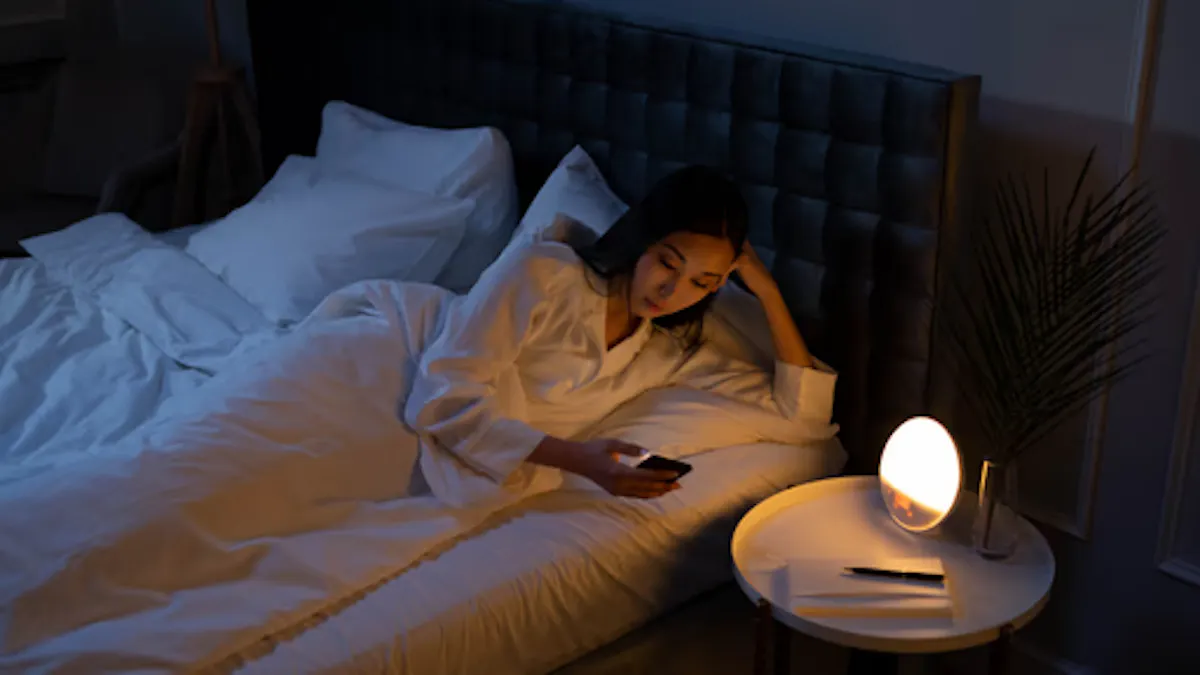
At Lampsy, we've developed a solution specifically designed to address the limitations of traditional monitoring approaches. Our epilepsy monitoring device integrates seamlessly into your bedroom as a lamp, a piece of furniture that belongs there, rather than medical equipment that draws attention to your condition.
Using a small camera and advanced technology, Lampsy monitors for movements associated with tonic-clonic seizures with over 99% accuracy. Importantly, it produces 18 x fewer false alarms than other monitoring solutions, addressing one of the most common frustrations the community reports with monitoring devices.
What makes camera-based monitoring particularly valuable is that it:
- Requires no wearables: Nothing uncomfortable to wear to bed, no devices to charge or remember to put on
- Works while you sleep naturally: No need to sleep in specific positions or wear restrictive equipment
- Provides visual context: Helps caregivers understand what's happening before they enter the room
- Maintains dignity: Operates discreetly as part of your normal bedroom furniture
Frequently Asked Questions
Should I stop relying on my medication?
A: Absolutely not. This article advocates for medication plus additional safety measures, not medication replacement. Anti-seizure medication remains the foundation of epilepsy treatment and should always be taken as prescribed.
How common are nocturnal seizures?
A: Approximately 10-15% of people with epilepsy experience sleep-related seizures. However, many nocturnal seizures go unrecognized, so the actual percentage may be higher.
What should I do if I think I'm having seizures in my sleep?
A: Contact your epilepsy specialist promptly. They may recommend sleep EEG monitoring to document what's happening during the night. Look for signs like unusual morning fatigue, headaches, bitten tongue or cheek, unexplained bruises, or bedwetting.
Are there different types of nighttime seizures?
A: Yes. While tonic-clonic (grand mal) seizures are the most concerning for nighttime safety, focal seizures and other seizure types can also occur during sleep. Each type presents different safety considerations.
How much does nighttime monitoring improve safety?
A: Research from UK epilepsy centres shows that enhanced nocturnal supervision is associated with reduced SUDEP rates. One study found that facilities with higher levels of monitoring had SUDEP incidence rates nearly three times lower than those with minimal supervision.
Will my doctor recommend monitoring devices?
A: Increasingly, epilepsy specialists are discussing monitoring options as part of comprehensive safety planning. However, you can also raise this topic yourself during your appointments. Bring information about devices you're considering to facilitate the discussion.
What's the most important first step?
A: Start with an honest assessment of your current nighttime risks in conversation with your medical team. From there, you can prioritize which additional safety measures make the most sense for your individual circumstances.
Can children use seizure monitoring devices?
A: Yes! Many monitoring systems are specifically designed for pediatric use and can be appropriate for children. Discuss options with your child's epilepsy specialist to find age-appropriate solution like Lampsy.
Disclaimer: This information is for educational purposes only and should not replace professional medical advice. Always consult with your healthcare provider before making changes to your epilepsy management plan.